Sunday, September 28, 2025

Week 4

Educational Goals

My primary educational goal is to do well in all of my classes in the CS program. By maintaining strong performance throughout my coursework, I will build a solid academic foundation that prepares me to apply for a master’s program. I envision myself staying consistent with assignments, projects, and exams so that by the time I graduate, I will be a competitive candidate for advanced study. This goal excites me because I know that the effort I put in now directly supports the opportunities I’ll have later.

Career Goals

My career goal is to pursue and complete a Master’s in Computer Science from Georgia Tech’s Online Program with a specialization in Machine Learning. I can clearly picture myself gaining the advanced knowledge and practical skills that will allow me to work in cutting-edge fields that apply AI and machine learning. This goal excites me because it represents both academic achievement and a major step toward career advancement. It’s simple enough to remember, but ambitious enough to drive my motivation every day.

ETS Computer Science Test 

After reviewing the ETS Computer Science test description and sample questions, I feel both challenged and motivated. Right now, many of the advanced concepts seem difficult, but I know that with 18 months of coursework, consistent study, and practice, I will be much better prepared. If I had to take a wild guess, I would place myself around the 60th percentile. I choose this number because it reflects that I’ll likely be stronger than average by then, but I also know the test is rigorous and highly competitive. With steady preparation, I believe I could push that score even higher.

Industry Expert Interview

Introduction

For this assignment, I interviewed Ryan, a seasoned software engineer and engineering leader with over twenty years of experience in the tech industry. I had the privilege of working with Ryan during my time at --redacted--, where we were part of the same team before the company underwent widespread layoffs. I chose Ryan for this interview because of his extensive background across startups, large-scale companies, and leadership positions. His ability to adapt to evolving technologies, mentor others, and successfully navigate career transitions made him an ideal person to learn from as I continue shaping my own career path.

Ryan’s career includes experience in five different startups, leadership roles at Company X and Company Y, and nearly eight years as a Senior Software Engineer at --redacted--. Currently, he works as a Senior Software Engineer at Company Z, a fully remote organization focused on workflow automation. His technical expertise spans AWS, GCP, Python, React, and other modern web technologies, but what stands out most is his ability to grow alongside the industry while helping others succeed.

Summary of Key Takeaways

Ryan began by sharing his career journey, explaining how his early roles in higher education technology and system architecture allowed him to build a foundation in web applications and infrastructure. He emphasized that his career has been less about following a rigid plan and more about staying open to opportunities and challenges as they arose. This openness to change led him through both startup and corporate environments, giving him a broad perspective on the industry.

One of the biggest challenges he described was balancing speed and quality in fast-paced startup environments. Startups often required him to wear multiple hats and deliver under tight deadlines, while larger organizations demanded deeper specialization and collaboration across teams. He explained that these contrasting environments helped him become adaptable — a skill he considers essential for any engineer today.

When asked about industry trends, Ryan highlighted the rapid rise of AI and automation tools. He noted that companies are looking not only at how AI can streamline workflows but also at how engineers can best integrate these tools responsibly. For instance, Ryan has seen the shift from purely writing code to optimizing workflows with AI-driven solutions, particularly in his current role at Company Z. He believes this trend will only grow and that engineers who can both code and leverage AI tools will be in high demand.

In terms of skills for success, Ryan emphasized problem-solving, curiosity, and the ability to communicate clearly with both technical and non-technical stakeholders. While technical expertise is important, he believes what sets great engineers apart is the ability to learn quickly and to help others grow. He mentioned that during his leadership roles, he discovered how much he valued mentoring and creating an environment where people could do their best work.

Finally, Ryan offered career advice for students entering the tech industry:

  1. Don’t worry about knowing everything up front — focus on becoming a great problem solver.

  2. Stay flexible and open to change, because technology shifts quickly.

  3. Build relationships and learn from others — mentorship and teamwork often matter as much as technical skill.

Reflection

This conversation with Ryan gave me a clearer picture of how varied a career in software engineering can be. Hearing how he navigated between startups, leadership roles, and larger companies reassured me that career paths don’t need to follow a single straight line. His emphasis on adaptability resonated with me, especially because I am entering an industry that continues to evolve rapidly with AI, cloud computing, and automation.

I also reflected on my own experience working alongside Ryan at --redacted--. At the time, I mostly saw him as a knowledgeable senior engineer, but through this interview I gained a deeper appreciation for the years of learning, trial, and leadership behind that expertise. What stood out most to me was how Ryan viewed mentoring as a core part of his work. It reminded me that being successful in technology isn’t only about writing code — it’s also about supporting teammates and contributing to a healthy engineering culture.

Future Steps

From this interview, I’ve identified several concrete actions for my own professional development:

  1. Strengthen adaptability: I plan to stay engaged with emerging technologies like AI tools and cloud platforms, ensuring I remain flexible in my skillset.

  2. Practice mentorship and collaboration: Even as a student and early-career engineer, I want to practice explaining concepts clearly and helping peers whenever possible.

  3. Prioritize problem-solving skills: Rather than focusing on learning every framework or language, I will continue developing my ability to break down problems and approach them logically.

  4. Network intentionally: Reconnecting with Ryan reminded me of the importance of maintaining professional connections. I plan to continue building my network and seeking mentorship opportunities.

This interview not only gave me insights into the industry but also provided reassurance that the skills I am building — both technical and interpersonal — will serve me well. Ryan’s story reminded me that careers in technology are not about rigid paths but about continual growth, adaptability, and collaboration.

Reflecting on the Week

This week gave me the chance to reflect on both my past experiences and the direction I want to take my learning. I reconnected with an old co-worker, Ryan, who was an incredible resource when I was developing my skills as a full-stack engineer. Back then, he not only offered technical guidance but also modeled the importance of patience and mentorship in a fast-paced environment. Talking with him again reminded me how valuable it is to have strong professional connections, and it felt encouraging to know that people I’ve worked with in the past are still willing to support me in my growth. Having him participate as my interviewee for the interview project made the experience even more meaningful, because I could see how much my perspective has evolved since we last worked together.

I also made progress on my ethics outline. I chose to focus on the ethics of using AI in elementary schools, a topic that feels especially relevant as technology becomes more deeply integrated into education. On one hand, I believe AI has the potential to alleviate many of the stresses teachers face, particularly with administrative tasks, grading, and even personalized learning support. On the other hand, I’m aware of the issues surrounding student privacy, data security, and the need to balance technology with human interaction. Working on this outline has shown me that ethical discussions are rarely black and white; they require weighing benefits against risks and considering the long-term implications of innovation.

Altogether, this week reminded me that growth comes from both looking back and planning ahead. Reconnecting with Ryan highlighted the importance of mentorship and networking, while starting my ethics outline pushed me to think critically about how the tools we build and use in technology impact society. Both experiences tied back to my larger educational and career goals: becoming not just technically skilled, but also thoughtful about the role I play in shaping the future of technology.

Tuesday, September 23, 2025

Week 3

Balancing Time, Technology, and Integrity in my CS Journey    

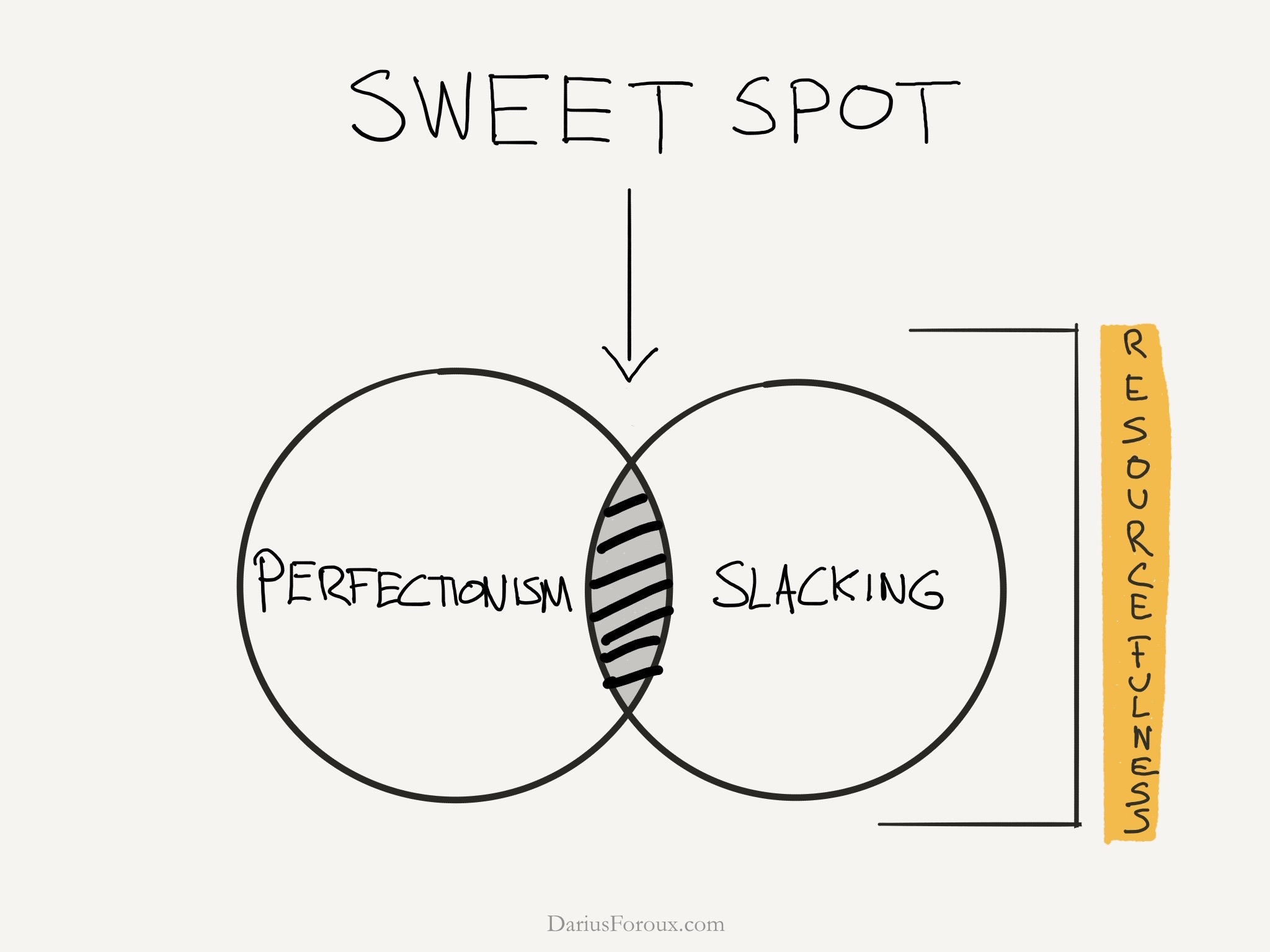
    The academic tips website provided a helpful article on time management. The article outlines practical strategies for time management, beginning with a personal time survey to track how hours are spent and followed by a study hour formula to plan study time based on course difficulty. It also emphasizes creating daily schedules, setting priorities, learning to say no, and avoiding perfectionism.

    I can apply these ideas to balance school, work, and personal life more effectively. The personal time survey would help me identify where I waste time, and the study hour formula gives me a realistic guide for how much time to dedicate to different classes. I also see the value in daily scheduling and using an ABC list to prioritize tasks, since procrastination sometimes gets in my way. One piece of advice that stood out to me was not being a perfectionist. For example, last week while working on our team project resume, I spent extra time trying to make the layout and visuals look really polished. While I was proud of the end result, I realized I could have managed my time better by focusing first on the content and then quickly adjusting the design. This connects directly to the article’s point that striving for perfection can lead to wasted time or procrastination. By combining activities, setting limits, and personalizing my schedule, I can make smarter choices with my time and reduce stress while still staying productive.


How Perfectionism Is Destroying Your Productivity - Darius Foroux

Image from DariusForoux.com

Ethics Argument Topic

    This week I learned more about what the ethics argument assignment requires. The main goal is to take a controversial technology issue and discuss both sides using two different ethical frameworks, staying unbiased until the point where I take a position. The frameworks help show how “right” and “wrong” can look very different depending on the principles being applied.

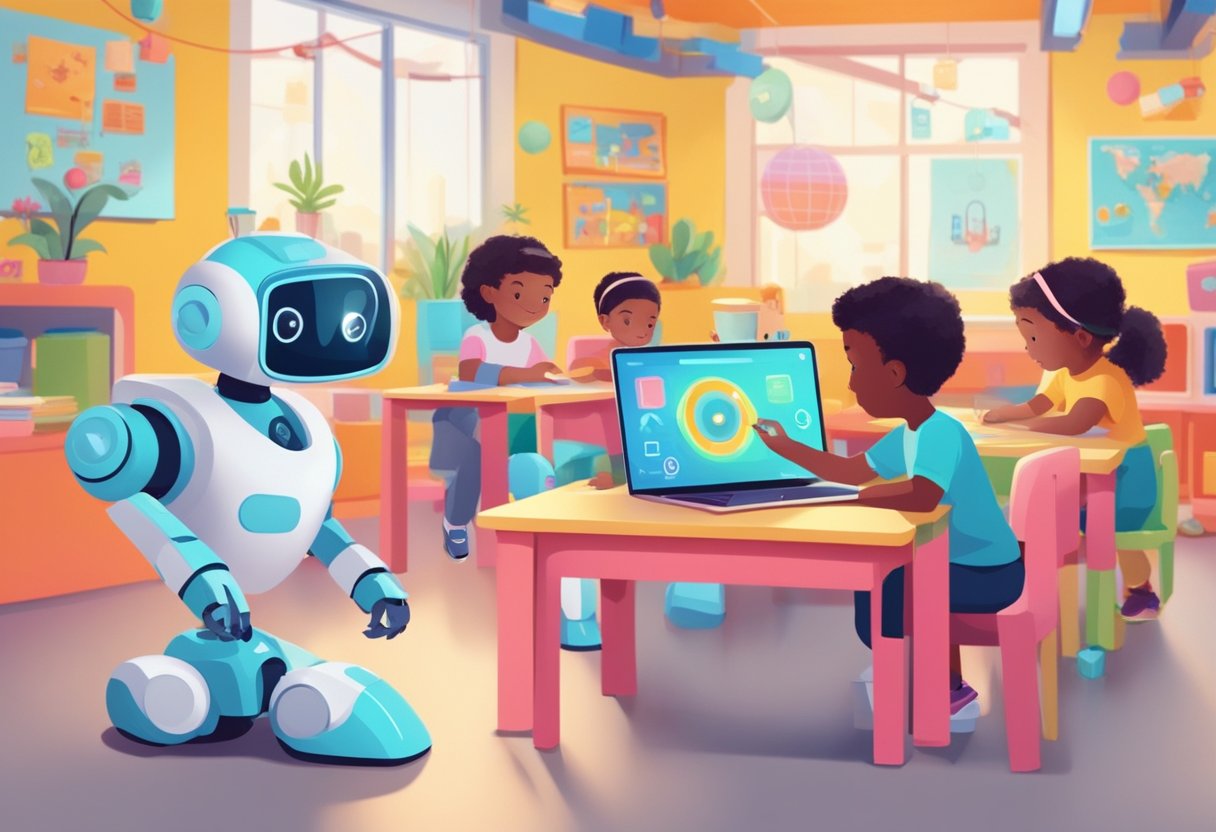
    For my topic, I decided to focus on whether primary schools should use AI-powered learning tools like adaptive reading and math programs or AI chatbots. I picked this because I’m really interested in how AI is being used in education and what it means for the future of learning. On the positive side, teachers and administrators may favor AI because it can personalize lessons, track progress, and save time. This lines up with Utilitarianism since it’s about maximizing learning outcomes for the most students. On the other hand, parents and guardians might be more cautious about data privacy, algorithmic bias, or kids becoming too dependent on technology. That perspective fits well with Care Ethics, since it focuses on protecting children’s well-being and development.

    Some of the questions I want to explore are whether schools should be able to mandate AI tools for all students and if there should be limits on the data schools can collect. I’m excited to dig deeper into this because it’s a topic that really connects my interests in both technology and education.

Play-Based Learning: Children interacting with AI robots in a colorful, play-based classroom setting. AI technology seamlessly integrated into various educational activities

Image from [https://learningmole.com/integrating-ai-with-play-based-learning/]


What a Computer Science Major Needs to Know

    Reading 'What Every Computer Science Major Should Know' really opened my eyes to how broad and deep the field actually is. The article breaks down the essential knowledge areas for computer science majors, ranging from practical skills like system administration, Unix, programming languages, and networking, to deeper theoretical foundations like algorithms, complexity, and discrete math. It also emphasizes the importance of communication, portfolios, and user experience design. This reminded me that being a computer scientist isn’t just about coding but also about clearly presenting ideas and building things that people can actually use. I found it interesting how the article weaves together both short-term job readiness and long-term adaptability, showing that CS majors need not only technical skills but also the ability to keep learning as technology changes.

    What stood out most to me was the advice on building a portfolio instead of relying solely on a resume, since real projects say much more about ability than grades or a list of skills. I also connected with the reminder about avoiding the “lone wolf” mentality, because collaboration and communication are just as important as technical ability in today’s workplaces. Some sections, like the heavy math and theory parts, felt intimidating, but I can see how they form the foundation for things like cryptography, AI, and graphics. Overall, this article made me reflect on my own journey and I’ve learned a lot of practical programming already, but I realize I need to start documenting my projects more and think about how to strengthen both my portfolio and my long-term learning mindset.


Code of Integrity 

    This week I reviewed the Code of Integrity, which sets clear expectations for academic honesty in coding assignments. The main takeaway is that while it's fine to discuss ideas, get hints, or talk about strategies, the actual code must always be my own work. The Code of Integrity emphasizes three rules: Don't submit solutions that aren't yours, don't share your code with others, and always cite any assistance (including AI) that influenced your work. It's good that the policy highlights the mutual trust aspect because academic dishonesty doesn't just hurt your grades, but also the reputation of the program. 


Sunday, September 14, 2025

Week 2

 Effective Study Skills

After reviewing the guide on effective study skills, I reflected on my own strengths and weaknesses as a student. Three areas I feel I am strong in include note-taking, organization, and time management. I am good at taking detailed notes during lectures and then refining them into organized, typed documents with clear headings and subheadings. I also create study schedules, breaking my material into manageable sections, which helps me use my time efficiently. Finally, I am consistent with following my study plans, which allows me to stay on track and avoid last-minute cramming.

On the other hand, three areas I feel I could improve are active recall, critical thinking while studying, and minimizing distractions. While I review my notes regularly, I could do more self-testing and practice problems to strengthen memory retention. I also sometimes focus too much on recording information rather than thinking critically about it. Lastly, I occasionally struggle with maintaining focus in environments that are not fully distraction-free, which can reduce the efficiency of my study sessions.

Overall, this reading emphasized that effective study skills require intentional practice, self-awareness, and a willingness to adjust strategies as needed. I plan to work on my weaker areas while continuing to build on my strengths.


My Activity Log


Project Management Basics 

After watching these videos, I have a much clearer idea of how project management really comes together. The Work Breakdown Structure (WBS) is basically a way to break a project into all its pieces—starting from the big overall project and then breaking it down into major deliverables and smaller interim ones—so you don’t miss anything important. Deliverables are just the tangible things you’re creating, and the WBS helps figure out all the tasks and work packages needed to make them happen. Once you have that, a Gantt chart turns all those tasks into a visual timeline, showing how long everything will take, what depends on what, and what can run at the same time, with milestones marked along the way. Together, these tools make the whole project feel more organized and manageable—they let you plan, track progress, assign resources, and keep everything on schedule. It’s cool to see how everything connects and how these tools actually make big projects feel less overwhelming.


Previous Capstones

After watching a few of the capstone presentations, I’m really impressed by how creative and thoughtful these projects were. “A Bird Song” was a short video game about the Kauai Oo, a bird that went extinct due to environmental destruction in Hawaii. I loved how the team used art, gameplay, and level design to tell a meaningful story about habitat preservation. The presentation was clear and easy to follow, and I could tell the team really worked together despite some of them being new to the tools like Unity and Krita. One thing that could improve the game is adding scoring and more mechanics to keep players coming back, but overall it felt polished and impactful.

“Q. Tracer” by Kyle Abston was totally different—super technical and practical. He built a web app to track audio cues for post-production, which automated a really tedious process and reduced human error. I was amazed by the scale—handling a massive database, using audio fingerprinting, and building an interface that was actually usable. The presentation was clear, and I liked that he explained both the problem and his solution in a way that made sense even if you’re not in post-production. Maybe adding some more visuals or step-by-step examples could make it easier to grasp for new users.

Finally, “Townhub” by Johnny Redman and team was a neighborhood events and planning app. I loved the concept—it’s so practical and really focuses on small, hyper-local events like block parties and garage sales. They did a good job explaining the features, like event creation, RSVPs, a marketplace, and admin moderation tools. The presentation was engaging, and you could tell they overcame a lot of technical challenges, like integrating maps, images, and databases. I think the project could improve with better aesthetics and automated location-based filtering, but the idea itself is really smart and useful for communities.

Overall, these three projects really show the range of what a capstone can be—from creative storytelling games to highly technical tools to practical apps for everyday life. I felt inspired seeing the creativity, effort, and teamwork that went into all of them.


How my Week Went...

This week was really rewarding because of the teamwork on our assigned project. I genuinely enjoyed collaborating with my team to create a creative company—we even came up with a solid, catchy name! Working together felt smooth, and I’m proud of how our “company” project turned out. It looks visually great, and you can really see the creativity shining through. What I liked most is that everyone contributed equally, which made the process feel fair and collaborative. After seeing how well we worked together, I have high hopes for our team being able to tackle future projects successfully.


Saturday, September 6, 2025

Week 1

My First Week of Online Learning at Uni

This week marked the start of my online learning journey at Uni, and it’s been both exciting and grounding.

One of the biggest takeaways from my first week has been getting to know my teammates. At first, I was a little nervous about how we’d connect virtually, but I’ve already grown more comfortable talking with them, and I can honestly say—I really like this group. Having that sense of community makes such a difference, especially in an online setting.

A lot of the tips and reminders for successful online learning felt a little familiar to me since I’ve been working and learning remotely for years. Things like setting a schedule, minimizing distractions, and staying engaged are already part of my routine. Still, it was nice to see those ideas reinforced and to know that my school is intentional about supporting online students.

The highlight of my week, though, was diving into the industry paper assignment. I found myself more motivated than expected because it gave me a chance to really think about the type of work I want to do in the future. I’ve always been passionate about technology and education, and writing the paper helped me connect the dots between where I’ve been and where I want to go.

For those who don’t know me yet: I’m a software engineering student with a background in K–6 education. I love finding ways to blend engineering with learning—using code not just to solve problems, but to build things that truly make an impact.

Overall, week one left me feeling grateful, motivated, and excited for what’s ahead. I’m looking forward to continuing to grow with my team, working on meaningful projects, and sharing the journey along the way.

CST 338 Final Learning Journal

     It feels like this semester just started, yet looking back now, I can clearly see how far I’ve come since HW1. Revisiting my Hangman as...