Balancing Time, Technology, and Integrity in my CS Journey
The academic tips website provided a helpful article on time management. The article outlines practical strategies for time management, beginning with a personal time survey to track how hours are spent and followed by a study hour formula to plan study time based on course difficulty. It also emphasizes creating daily schedules, setting priorities, learning to say no, and avoiding perfectionism.
I can apply these ideas to balance school, work, and personal life more effectively. The personal time survey would help me identify where I waste time, and the study hour formula gives me a realistic guide for how much time to dedicate to different classes. I also see the value in daily scheduling and using an ABC list to prioritize tasks, since procrastination sometimes gets in my way. One piece of advice that stood out to me was not being a perfectionist. For example, last week while working on our team project resume, I spent extra time trying to make the layout and visuals look really polished. While I was proud of the end result, I realized I could have managed my time better by focusing first on the content and then quickly adjusting the design. This connects directly to the article’s point that striving for perfection can lead to wasted time or procrastination. By combining activities, setting limits, and personalizing my schedule, I can make smarter choices with my time and reduce stress while still staying productive.
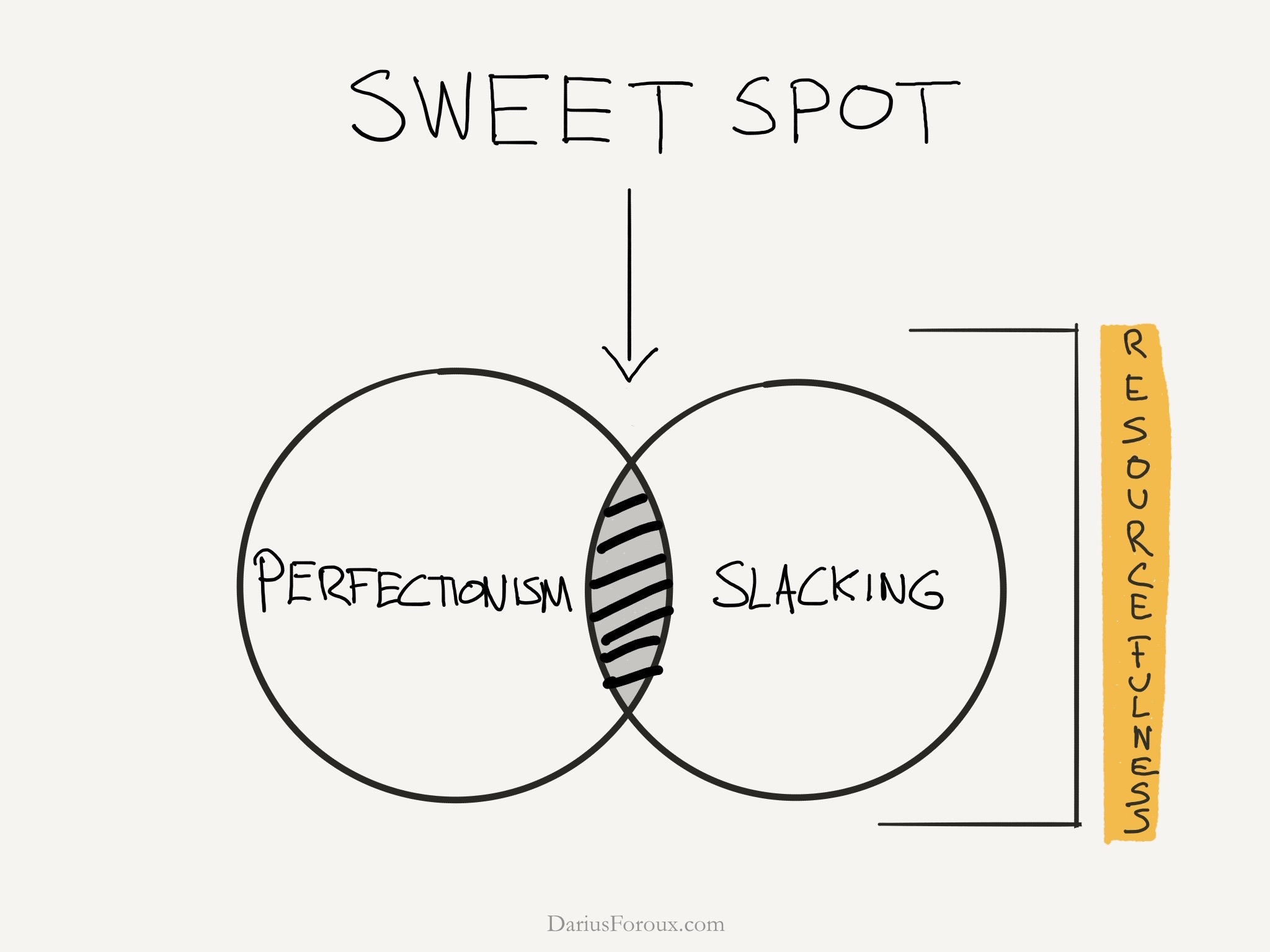
Image from DariusForoux.com
Ethics Argument Topic
This week I learned more about what the ethics argument assignment requires. The main goal is to take a controversial technology issue and discuss both sides using two different ethical frameworks, staying unbiased until the point where I take a position. The frameworks help show how “right” and “wrong” can look very different depending on the principles being applied.
For my topic, I decided to focus on whether primary schools should use AI-powered learning tools like adaptive reading and math programs or AI chatbots. I picked this because I’m really interested in how AI is being used in education and what it means for the future of learning. On the positive side, teachers and administrators may favor AI because it can personalize lessons, track progress, and save time. This lines up with Utilitarianism since it’s about maximizing learning outcomes for the most students. On the other hand, parents and guardians might be more cautious about data privacy, algorithmic bias, or kids becoming too dependent on technology. That perspective fits well with Care Ethics, since it focuses on protecting children’s well-being and development.
Some of the questions I want to explore are whether schools should be able to mandate AI tools for all students and if there should be limits on the data schools can collect. I’m excited to dig deeper into this because it’s a topic that really connects my interests in both technology and education.
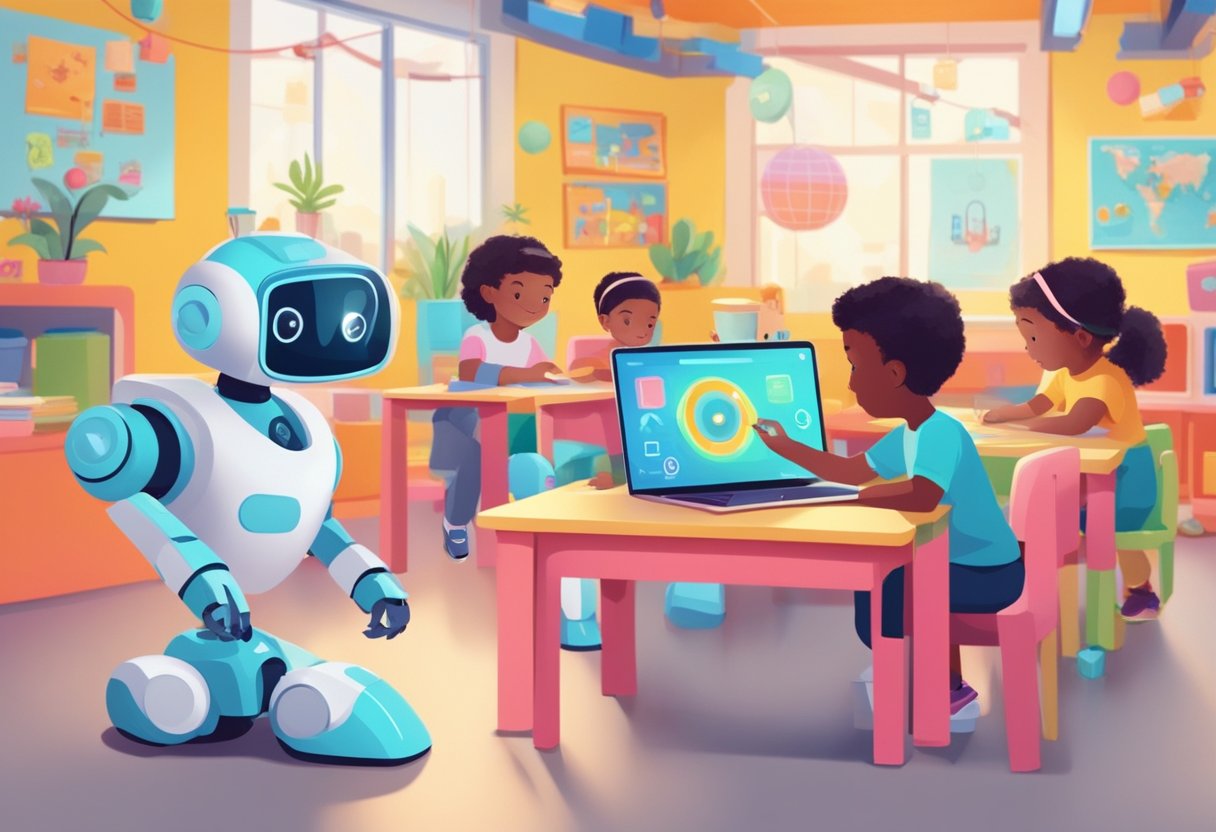
Image from [https://learningmole.com/integrating-ai-with-play-based-learning/]
What a Computer Science Major Needs to Know
Reading 'What Every Computer Science Major Should Know' really opened my eyes to how broad and deep the field actually is. The article breaks down the essential knowledge areas for computer science majors, ranging from practical skills like system administration, Unix, programming languages, and networking, to deeper theoretical foundations like algorithms, complexity, and discrete math. It also emphasizes the importance of communication, portfolios, and user experience design. This reminded me that being a computer scientist isn’t just about coding but also about clearly presenting ideas and building things that people can actually use. I found it interesting how the article weaves together both short-term job readiness and long-term adaptability, showing that CS majors need not only technical skills but also the ability to keep learning as technology changes.
What stood out most to me was the advice on building a portfolio instead of relying solely on a resume, since real projects say much more about ability than grades or a list of skills. I also connected with the reminder about avoiding the “lone wolf” mentality, because collaboration and communication are just as important as technical ability in today’s workplaces. Some sections, like the heavy math and theory parts, felt intimidating, but I can see how they form the foundation for things like cryptography, AI, and graphics. Overall, this article made me reflect on my own journey and I’ve learned a lot of practical programming already, but I realize I need to start documenting my projects more and think about how to strengthen both my portfolio and my long-term learning mindset.
Code of Integrity
This week I reviewed the Code of Integrity, which sets clear expectations for academic honesty in coding assignments. The main takeaway is that while it's fine to discuss ideas, get hints, or talk about strategies, the actual code must always be my own work. The Code of Integrity emphasizes three rules: Don't submit solutions that aren't yours, don't share your code with others, and always cite any assistance (including AI) that influenced your work. It's good that the policy highlights the mutual trust aspect because academic dishonesty doesn't just hurt your grades, but also the reputation of the program.


No comments:
Post a Comment